Can a Period Underwear Manufacturer Develop Products for Different Flows?
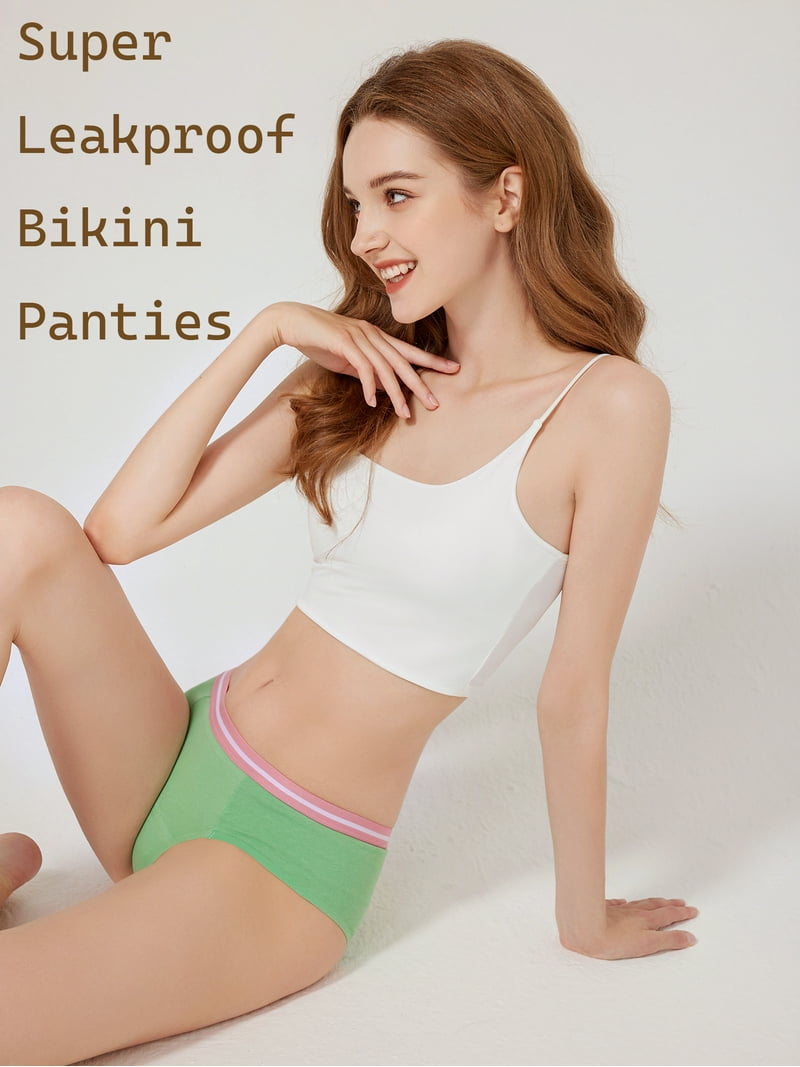
Yes, a period underwear manufacturer can develop products for different flows by adjusting absorbent capacity, fabric layers, gusset structure, and testing standards. Manufacturers commonly create light, medium, heavy, and overnight versions with absorbency ranges from about 5 mL to more than 50 mL. Product development usually combines textile engineering, wear testing, and quality checks to match different menstrual patterns.
Menstrual flow varies widely among users, so a single absorbency level cannot meet every requirement. Studies on menstrual blood loss have reported that average loss is often around 30–40 mL per cycle, while some users experience much higher amounts. A professional period underwear manufacturer usually develops several product categories instead of one universal design.
Manufacturers normally divide products according to expected usage scenarios:
| Product Category | Approximate Absorbency Range | Common Usage |
|---|---|---|
| Light flow | 5–15 mL | Beginning or end of period, spotting |
| Medium flow | 15–30 mL | Regular daytime use |
| Heavy flow | 30–50 mL | Higher bleeding days |
| Overnight | 40–60+ mL | Long wear during sleep |
The difference between these products comes from material structure rather than simply adding more fabric. A thicker underwear design may increase capacity, but it can reduce comfort and flexibility if the layers are not arranged properly.
The first design stage focuses on absorbent layer development. Many manufacturers use a multi-layer gusset system that combines moisture transfer, liquid storage, and leak protection. A typical structure may include a soft skin-contact layer, a fast absorption layer, an absorbent core, and a waterproof membrane.
For example, a medium-flow product may use microfiber or bamboo-based fibers to improve liquid absorption, while heavy-flow versions may include larger absorbent areas and stronger waterproof layers. The absorbent core design often determines whether a product can manage 20 mL or more than 50 mL of liquid without leakage.
Material selection also changes according to product goals. Different fibers provide different performance characteristics:
| Material | Function | Common Application |
|---|---|---|
| Microfiber | Fast liquid absorption | Medium and heavy flow products |
| Bamboo fiber | Soft texture and moisture control | Daily comfort designs |
| Cotton blend | Natural feel | Sensitive skin products |
| TPU membrane | Liquid barrier | Leak protection layer |
Manufacturers evaluate materials through laboratory measurements such as absorption speed, retention capacity, drying time, and washing durability. Some reusable menstrual underwear products are tested after dozens of washing cycles, with many brands targeting performance maintenance after 50–100 washes.
After materials are selected, manufacturers adjust the product structure for different flow levels. Light-flow underwear usually requires thinner construction because users often prioritize comfort and daily wear. Heavy-flow products require expanded coverage because users may need protection for longer periods.
The gusset length and width are often modified according to product type. Overnight designs may extend absorbent areas toward the back section to provide better protection during different sleeping positions. Sports-oriented designs may focus more on elasticity and body movement.
“A product designed for daytime medium flow and a product designed for overnight heavy flow usually require different absorbent placement, fabric thickness, and testing conditions.”
Consumer testing is another part of product development. Manufacturers may collect feedback from different user groups to evaluate comfort, leakage performance, fit, and washing results. A 2020 review of menstrual product research highlighted that user experience depends on both product performance and individual wearing conditions.
Flow-specific development also requires accurate capacity labeling. Consumers need clear information about whether a product is suitable for light spotting or heavier menstrual days. Many international brands use terms such as light, moderate, heavy, and overnight rather than only listing fabric specifications.
A manufacturer producing multiple flow options may create a product portfolio like this:
| Product Line | Main Feature | Target User Need |
|---|---|---|
| Everyday | Lightweight structure | Regular daytime protection |
| High Absorbency | Larger absorbent core | Heavy menstrual days |
| Sleep Protection | Extended coverage | Overnight use |
| Teen Collection | Smaller sizing and comfort design | First menstrual experiences |
Product testing standards are important because absorbency performance can change after repeated washing. Manufacturers often test seam strength, fabric stretching, waterproof layer stability, and absorbent performance after laundering. Some quality programs require testing at 30°C, 40°C, or higher washing temperatures depending on market requirements.
Different countries also have different consumer preferences. In markets such as the United States, Canada, and European countries, reusable menstrual products have gained attention because of sustainability concerns. A 2023 market analysis estimated that reusable menstrual products continued to expand as consumers looked for alternatives to disposable products.
Manufacturers serving global brands often provide OEM and ODM services, allowing companies to request different absorbency levels, colors, fabrics, sizes, and packaging designs. This approach allows one factory to produce several product types while maintaining consistent production standards.
A typical development process may include:
-
Reviewing target absorbency requirements.
-
Selecting fabric combinations.
-
Creating prototype samples.
-
Testing leakage resistance and comfort.
-
Adjusting patterns and materials.
-
Starting mass production after approval.
Quality control becomes more detailed when multiple flow categories are produced at the same facility. Each version needs separate inspection standards because a light-flow product and a heavy-flow product do not have the same performance expectations.
Manufacturers usually check:
| Inspection Item | Purpose |
|---|---|
| Absorbency capacity | Confirm liquid holding ability |
| Leakage resistance | Evaluate protection performance |
| Fabric strength | Check durability |
| Sewing quality | Reduce production defects |
| Wash testing | Confirm reusable performance |
The development of different flow products also depends on production technology. Automated cutting equipment, standardized sewing processes, and digital inspection systems help maintain consistent dimensions across thousands of units. For brands selling internationally, consistency between production batches is often required to meet customer expectations.
Period underwear development has also expanded into specialized categories. Some manufacturers now create products for postpartum use, sports activities, teenagers, and users with sensitive skin. These products may share the same production platform but use different materials and structural designs.
“Different flow categories are created through changes in absorbent capacity, coverage area, and material structure rather than one single adjustment.”
A capable manufacturer can therefore develop period underwear for different menstrual flows by combining textile selection, product engineering, testing procedures, and user feedback. Light, medium, heavy, and overnight products each require different specifications, allowing brands to provide more suitable options for different users.